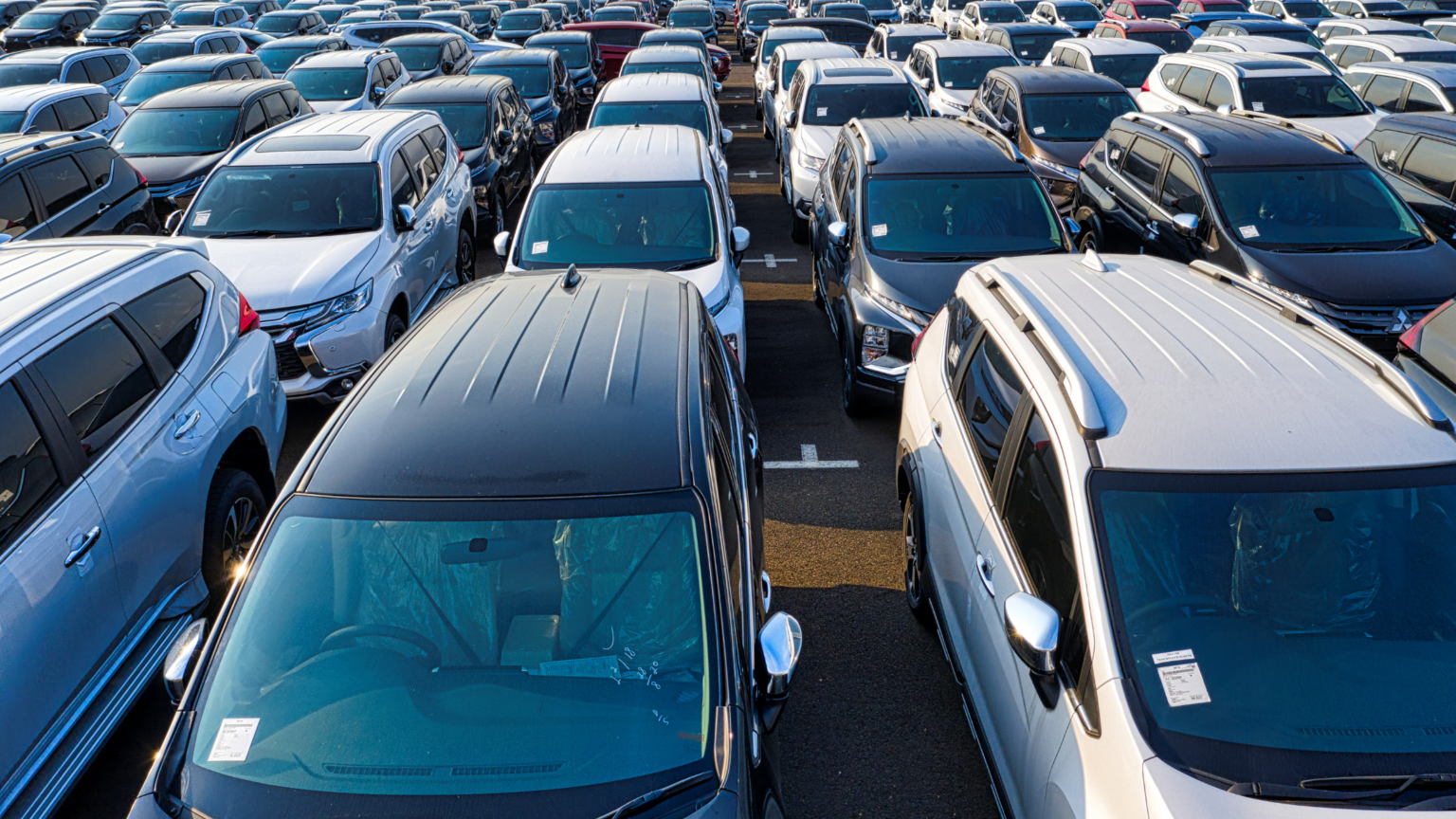
Managing a large fleet isn’t just about keeping vehicles on the road; it’s about managing an intricate web of logistics, human behavior, and high operational costs. For large fleets, there is a more complex level of intricate webs that whoever is in charge of the fleet needs to untangle.
Without robust processes in place, minor inefficiencies compound into massive expenditures. Maintenance schedules slip through the cracks, leading to unexpected and costly breakdowns. Fuel wastage spikes due to excessive idling, harsh acceleration, or inefficient routing. Meanwhile, keeping clear, consistent communication with drivers across multiple regions becomes a constant uphill struggle.
To overcome scaling friction and keep your operation running smoothly, here are five essential fleet management strategies every large-scale operator should implement.
1. Centralise Operations with Telematics & IoT
When managing a large fleet, relying on disparate systems, spreadsheets, or paper logs simply doesn’t cut it. To gain full operational control, you need a single source of truth.
Integrating modern telematics alongside Internet of Things (IoT) sensors brings your entire fleet onto one central dashboard. Real-time GPS tracking allows transport managers to monitor vehicle locations, usage metrics, and asset health instantaneously. IoT sensors can track engine performance, tyre pressure, and even cargo temperatures for cold-chain delivery. Centralising this data reduces administrative overhead, eliminates blind spots, and equips your team to make swift, informed decisions.
2. Implement Preventive Maintenance Schedules
Unplanned downtime is the arch-nemesis of fleet profitability. A broken-down vehicle not only costs money to repair, but it also disrupts schedules, causes missed delivery windows, and harms customer trust.
Rather than reacting to breakdowns as they happen, switch to a proactive, automated preventive maintenance schedule. Using mileage, engine hours, or fixed calendar intervals tracked automatically via telematics, software can prompt scheduled servicing before issues escalate. Catching minor wear and tear early extends overall vehicle lifespan, improves safety, and prevents minor mechanical issues from snowballing into catastrophic mechanical failures.
3. Optimise Fuel Management & Route Planning
Fuel is consistently one of the largest variable costs for any fleet operation. With fluctuating fuel prices, even a tiny reduction in fuel consumption per vehicle can translate into tens of thousands of pounds in annual savings across a large fleet.
Pairing dynamic route planning software with smart fuel management tools ensures your drivers take the most efficient paths possible, avoiding heavy traffic congestion, roadworks, and unnecessary mileage. Furthermore, tracking fuel card usage alongside vehicle telemetry helps spot discrepancies, such as unauthorised fuel purchases or excessive engine idling, helping you stamp out waste across the board.
In addition to this, if your fleet is predominantly petrol or diesel, potentially making the switch to EV can save you an untold amount, especially on the like of company cars where they are used for shorter journeys.
4. Prioritise Driver Training & Safety Monitoring
Your drivers are the backbone of your fleet, but their habits behind the wheel directly impact your bottom line and brand reputation. Harsh braking, rapid acceleration, speeding, and cornering not only consume extra fuel, but they also accelerate wear and tear and heighten accident risks.
Implement driver behavior monitoring software to establish a clear baseline for safety across your team. Use this data constructively, not to micromanage or punish, but to provide targeted driver training and coaching. Many successful fleets set up friendly incentive schemes or gamified leaderboards to reward safe, efficient driving. A safer fleet enjoys lower insurance premiums, fewer repairs, and a happier workforce.
5. Leverage Data Analytics for Cost Reduction
Large-scale fleets generate vast streams of data every single minute. However, data is only useful if you turn it into actionable insight.
By utilising advanced analytics tools and customised reporting dashboards, fleet managers can spot broader operational trends and identify hidden cost drains. You might discover that a specific vehicle model incurs double the maintenance costs of another, or that certain routes consistently bleed revenue due to delays. Data analytics allows you to right-size your fleet, make smarter procurement choices, optimise total cost of ownership (TCO), and forecast future budget requirements with pinpoint accuracy.
Take the Next Step Toward Fleet Efficiency
Scaling a large fleet comes with significant challenges, but with the right technology, clear processes, and data-driven management, you can turn potential operational bottlenecks into major competitive advantages.
Is your fleet operating at peak efficiency? Take the time today to audit your current fleet processes, evaluate your telematics setup, and identify where simple improvements could deliver significant ROI. If you are unsure where to begin, consider consulting with a specialist fleet solutions advisor to help build a tailored roadmap for your business.