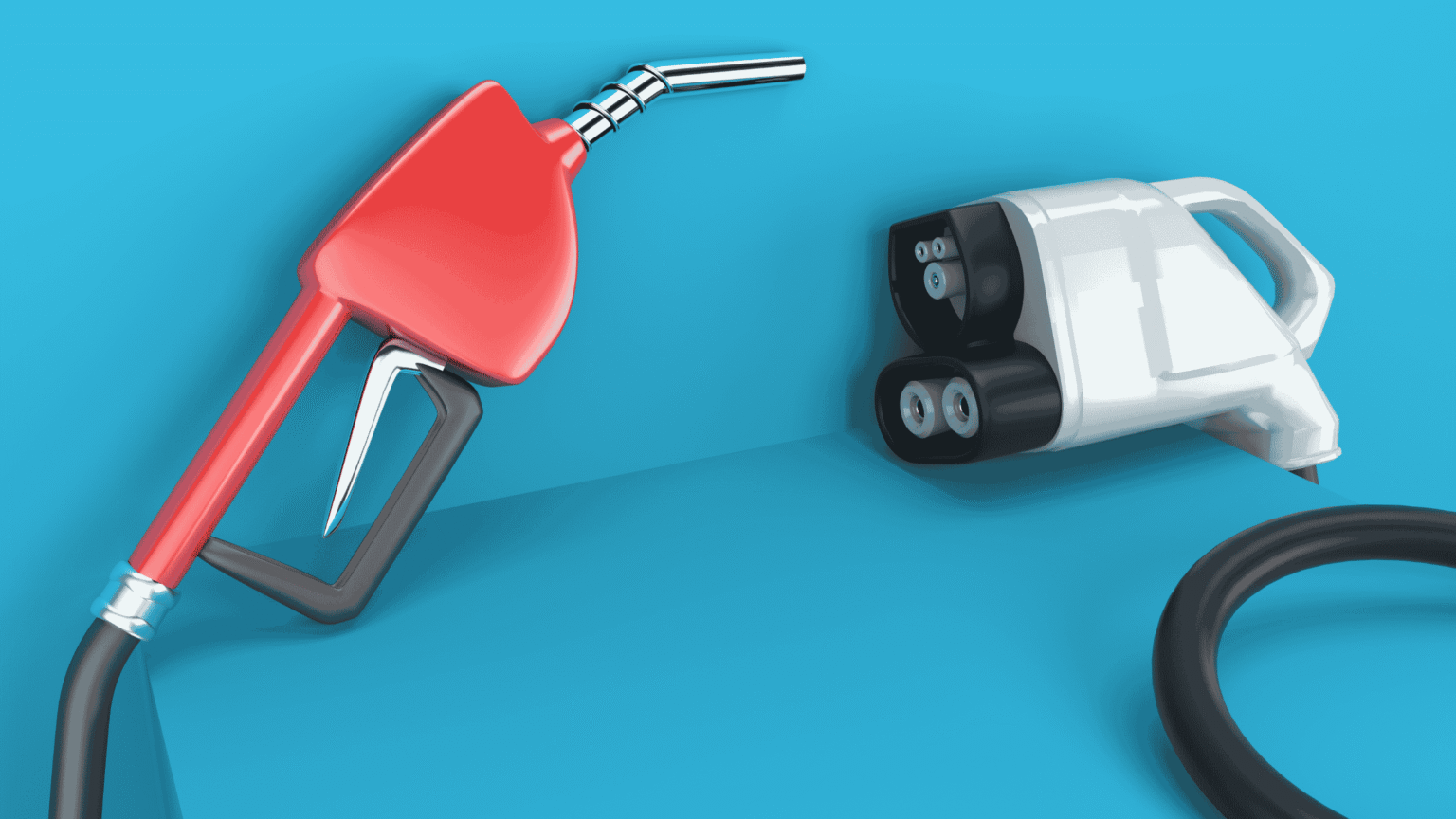
Choosing a new vehicle used to be a simple decision between petrol and diesel. Today, drivers face a broader choice: stick with traditional internal combustion engines (ICE) or make the switch to an electric vehicle (EV).
As the automotive industry evolves, both options present compelling cases depending on your daily routine, driving habits, and budget. We’ve broken down both vehicle types, along with the advantages and disadvantages of both fuel and electric vehicles to help you determine which powertrain best fits your life.
Traditional Fuel Vehicles: Petrol & Diesel
Internal combustion engines (ICE) have powered transportation for over a century. Their reliability and familiar operation remain major selling points for many drivers around the world.
The Advantages of Fuel Vehicles
- Refuelling Speed and Convenience: Filling up a petrol or diesel tank takes mere minutes at any of the thousands of filling stations located along almost every major route. For long-distance drivers, this unmatched convenience remains a key benefit.
- Lower Initial Purchase Price: On average, entry-level petrol cars still carry a lower upfront sticker price compared to equivalent brand-new electric models. For buyers working within a strict immediate budget, fuelled cars offer a lower barrier to entry. However, this isn’t always the case when looking at things like Salary Sacrifice Schemes.
- Proven Long-Distance Range: Traditional engines excel on motorways. Diesel vehicles in particular offer impressive fuel efficiency during sustained high-speed driving, making them a practical workhorse for high-mileage commuters.
- Established Aftersales Network: Repair shops, independent mechanics, and spare parts are readily available everywhere, making servicing straightforward regardless of your location.
The Disadvantages of Fuel Vehicles
- Higher Ongoing Running Costs: Fuel prices can be volatile, and filling up a petrol or diesel tank costs significantly more per mile than charging an EV at home.
- Greater Maintenance Demands: Internal combustion engines contain hundreds of moving parts, such as spark plugs, timing belts, oil filters, and exhaust systems, that require regular servicing and periodic replacement.
- Environmental Impact: Fuel vehicles generate tailpipe emissions that contribute to localised air pollution and greenhouse gases.
Electric Vehicles (EVs)
Electric vehicles have moved from a niche alternative into mainstream adoption, driven by rapid technology improvements, lower running expenses, and smooth performance.
The Advantages of Electric Vehicles
- Drastically Lower Running Costs: For drivers who can charge at home, especially using off-peak electricity tariffs, the cost per mile for an EV can be up to 60% to 65% cheaper than buying petrol or diesel.
- Minimal Servicing and Upkeep: Electric powertrains are remarkably simple compared to engine setups. With no engine oil to change, no clutch, and regenerative braking reducing wear on brake pads, annual maintenance expenses for EVs are roughly half those of traditional cars.
- Superior Driving Refinement: EVs deliver instant torque from a standstill, providing smooth, responsive acceleration without gear shifts. The near-silent operation creates a quiet, stress-free cabin environment.
- Zero Tailpipe Emissions: EVs produce no direct exhaust emissions, helping improve urban air quality and lowering your personal carbon footprint.
- Financial and Tax Incentives: In many markets, electric cars qualify for substantial tax perks (such as lower Benefit-in-Kind tax rates for corporate drivers), exemption from congestion charges, and salary sacrifice savings.
Disadvantages of Electric Vehicles
- Upfront Price Gap: While battery production costs are falling and narrowing the gap, new EVs generally carry a higher initial purchase price than baseline petrol cars. However, this is increasingly offset by lower overall lifetime operating costs and attractive leasing or salary sacrifice options.
- Charging Infrastructure Reliance: For drivers without dedicated off-street parking or a home charger, relying exclusively on public charging networks requires a bit more planning. While rapid chargers can add significant range in 20 to 30 minutes, public charging can be more expensive than home charging.
Which Vehicle Type Suits You Best?
There is no single “correct” choice when deciding between fuel and electric; it ultimately comes down to your personal driving patterns and access to home charging.
- An EV is ideal if: You have a driveway or garage where you can charge overnight, perform a daily commute within 150 to 250 miles, and want to minimise long-term running and servicing expenses.
- A Fuel vehicle is ideal if: You regularly travel long distances without time for charging stops, lack access to home charging, or prefer a lower upfront purchase price.
As battery technology advances and charging networks expand, electric vehicles continue to close the convenience gap while retaining their clear cost-per-mile advantage. Assessing how and where you drive each week will quickly highlight which powertrain aligns best with your lifestyle.