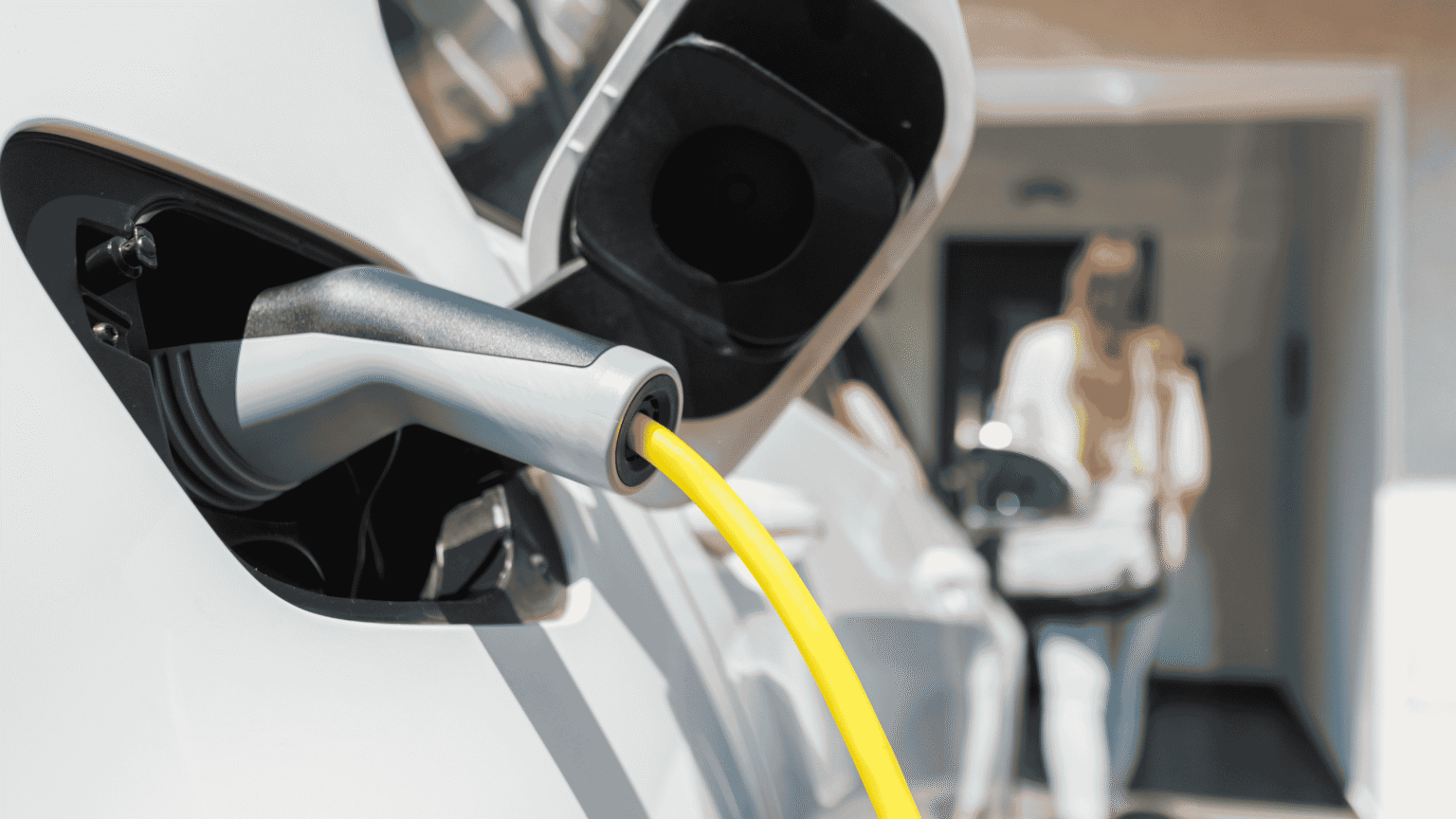
Thinking about making the switch to an electric car, but feeling a bit anxious about running out of battery? You are certainly not alone. One of the most common concerns drivers share with us is whether there are enough convenient ways to keep an electric vehicle (EV) topped up, particularly when traveling away from home.
The good news is that charging an electric car is no longer about hunting down a lone plug socket in a dark car park. Today, the UK’s public and private charging networks are growing at speed, offering options tailored to every lifestyle and journey.
So, what is an electric vehicle charging station, and how do the different options work? Put simply, an EV charging station (or “charge point”) is a dedicated unit that safely supplies electricity from the grid directly to your car’s battery.
To help clear up the jargon, we have broken down the five main ways to charge an EV in the UK today.
1. Home Wallbox
Location: Private driveways and garages.
Speed & Spec: 7kW AC smart charger.
Best For: Cheap overnight charging using off-peak electricity tariffs.
For drivers with off-street parking, a dedicated home wallbox is usually the most convenient and cost-effective solution. While you can plug an EV into a standard three-pin household socket, it is slow and not ideal for regular daily use.
A dedicated 7kW smart wallbox charges roughly three times faster than a standard wall socket, adding about 25 to 30 miles of range per hour. By pairing a smart charger with EV-friendly tariffs (such as Octopus Energy’s off-peak rates), you can schedule your car to charge while you sleep at a fraction of the cost of petrol or diesel.
2. Workplace Charging
Location: Office car parks and commercial premises.
Speed & Spec: 7kW–22kW AC chargers.
Best For: Convenient topping up during working hours.
Plugging in at work is fast becoming one of the most popular ways to keep an EV topped up. Many employers across the UK now offer charge points in company car parks as a perk for staff and visitors.
Workplace chargers typically range from 7kW to 22kW. Because your car stays parked for several hours while you work, even a standard 7kW charger will easily add plenty of range by the time your shift finishes.
What’s more, the UK government’s Workplace Charging Scheme (WCS) provides financial support to eligible businesses to help cover the upfront costs of installing charge points, making it easier than ever for employers to get on board.
3. On-Street Community Charging
Location: Residential streets, lamp posts, and pavement bollards.
Speed & Spec: 3kW–7kW slow/fast AC units.
Best For: The 40% of UK households without a driveway.
Around 40% of households in the UK do not have access to a private driveway or garage. Thankfully, you do not need a driveway to own an EV.
Local councils across the country are investing heavily in on-street community charging solutions. These clever units are often integrated directly into existing street lamp posts or installed as pop-up pavement bollards near residential streets. Operating at 3kW to 7kW, they allow residents to park up near their homes and safely charge overnight or during the day without running trailing cables across the pavement.
4. Destination Charging (Top-Ups While You Dwell)
Location: Supermarkets, shopping centres, retail parks, gyms, and hotels.
Speed & Spec: 7kW to 50kW fast/rapid chargers.
Best For: Adding 30–80 miles of range while running errands.
Why wait for your car to charge when it can charge while you do something else? Destination charging is all about topping up your battery during routine stops throughout your day.
You will find these chargers situated at popular everyday spots like Tesco, Sainsbury’s, local leisure centres, retail parks, and hotels. Depending on the venue, speeds range from standard 7kW fast chargers up to 50kW rapid units. Spending 45 minutes doing your weekly food shop or visiting the gym can effortlessly add 30 to 80 miles of range to your battery without interrupting your day.
5. En-Route Ultra-Rapid Hubs
Location: Motorway Service Areas (MSAs) and dedicated charging forecourts.
Speed & Spec: 150kW–350kW+ DC Ultra-Rapid units (CCS connectors).
Best For: Quick 15-to-30 minute pit stops on long journeys.
When you are taking a road trip or driving long distances across the UK, ultra-rapid charging hubs are your best friend. Modern charging forecourts operated by networks like GRIDSERVE, InstaVolt, and MFG are specifically designed for high-speed travel.
These high-power units deliver speeds from 150kW up to 350kW+. Instead of waiting hours, an ultra-rapid charger can boost a compatible EV’s battery from 10% to 80% in as little as 15 to 20 minutes. It gives you just enough time to grab a coffee, use the facilities, and stretch your legs before hitting the road again.
Charging an electric vehicle is simply a habit shift. Instead of waiting for the fuel light to come on and visiting a petrol station, EV drivers simply plug in wherever the car happens to be parked.
Whether you are charging quietly at home overnight, plugging in at the supermarket, or grabbing a quick boost on the motorway, keeping an EV powered up in the UK has never been easier or more flexible.