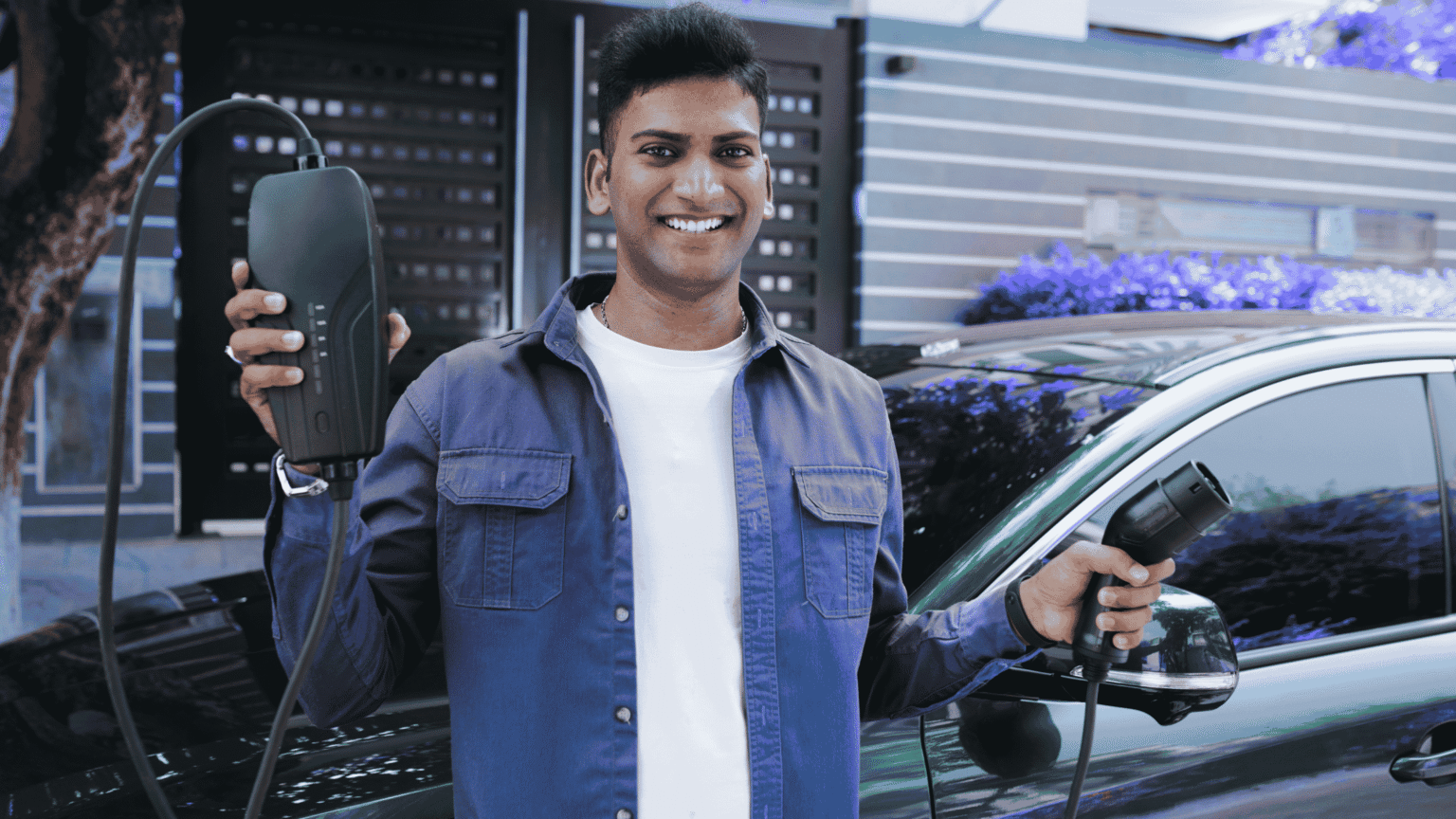
Making the switch from an internal combustion engine (ICE) car to an electric vehicle (EV) is an exciting milestone. However, whilst the basic rules of the road remain the same, driving and maintaining an EV comes with a slight learning curve. To help you get the very best out of your new ride, we have rounded up six top tips that every new EV owner should know.
1. Master “One-Pedal” Driving & Regenerative Braking
The Concept: When you lift your foot off the accelerator in a traditional petrol or diesel car, it coast gently. In an EV, lifting off activates regenerative braking, a clever system that feeds energy back into the battery as the car slows down.
The Tip: Practice smooth deceleration to maximise your efficiency. Many EVs allow you to adjust the level of regenerative braking, with the highest setting enabling “one-pedal driving.” This means you can come to a complete stop simply by easing off the accelerator, rarely needing to touch the brake pedal in standard traffic. Not only does this top up your range, but it also dramatically reduces wear on your brake pads.
2. Adopt the 20% to 80% Charging Habit
The Concept: Lithium-ion batteries, like the ones in your EV or smartphone, perform at their best and last longest when kept within a sweet spot rather than pushed to their absolute limits.
The Tip: For day-to-day driving, try to keep your battery level between 20% and 80%. Most modern EVs let you set a maximum charging limit via the dashboard menu or smartphone app. Keeping your daily charge to 80% protects long-term battery health and speeds up your charging routines. Save that 100% full charge for when you are preparing for a long road trip.
3. Pre-Condition the Cabin While Plugged In
The Concept: Heating or cooling the interior of a car takes a noticeable amount of energy. In an ICE car, waste engine heat warms the cabin, but in an EV, heating relies entirely on battery power.
The Tip: Take advantage of pre-conditioning. Use your car’s companion smartphone app to schedule heating or cooling while the vehicle is still plugged into your home charger. By bringing the cabin to a comfortable temperature using mains electricity before you set off, you save precious battery power strictly for driving. You will also love stepping into a nice, warm car on frosty winter mornings!
4. Switch to a Smart EV Home Tariff
The Concept: Charging an EV on a standard standard flat-rate domestic electricity tariff can make running costs higher than they need to be.
The Tip: If you have off-street parking, pair a dedicated home smart charger with a specialist EV energy tariff. Suppliers like Octopus Energy (Octopus Intelligent Go) and OVO (Charge Anytime) offer ultra-low off-peak rates overnight. By scheduling your car to charge automatically during these off-peak windows, you can power your daily journeys for just a few pence per mile, saving hundreds of pounds a year compared to public charging or standard tariffs.
5. Download Essential Route & Charger Apps in Advance
The Concept: Waiting until your battery indicator turns yellow to start looking for a public charger is a recipe for range anxiety.
The Tip: Get your phone ready with the right tools before embarking on long journeys across the UK. Download key apps like:
- Zapmap: The gold standard in the UK for locating charging points, checking live availability, and reading recent user feedback.
- Electroverse or PlugShare: Brilliant for route planning and facilitating seamless payment across multiple different charger networks without needing dozens of individual accounts.
In addition to these, Teslas have the features built in and ready for you to use on their vehicles.
6. Understand Motorway vs. Town Efficiency
The Concept: Petrol and diesel cars are typically most fuel-efficient when cruising at constant speeds on the highway. EVs are the exact opposite; they are most efficient in stop-and-start urban traffic.
The Tip: Don’t be surprised if your city driving yields a higher range than expected, thanks to low speeds and constant energy recovery from regenerative braking. Where as cruising at sustained 70 mph motorway speeds, especially in cold or windy weather, uses more energy. When planning long-distance travel, factor in a slightly lower range and schedule a quick stop at a rapid charger along your route.
Transitioning to electric driving is mostly about forming a few simple, positive habits. By getting to grips with regenerative braking, smart home charging, and basic battery care, you will quickly find that driving an EV is not just cleaner, but far easier and more enjoyable than driving a petrol car. Safe travels!