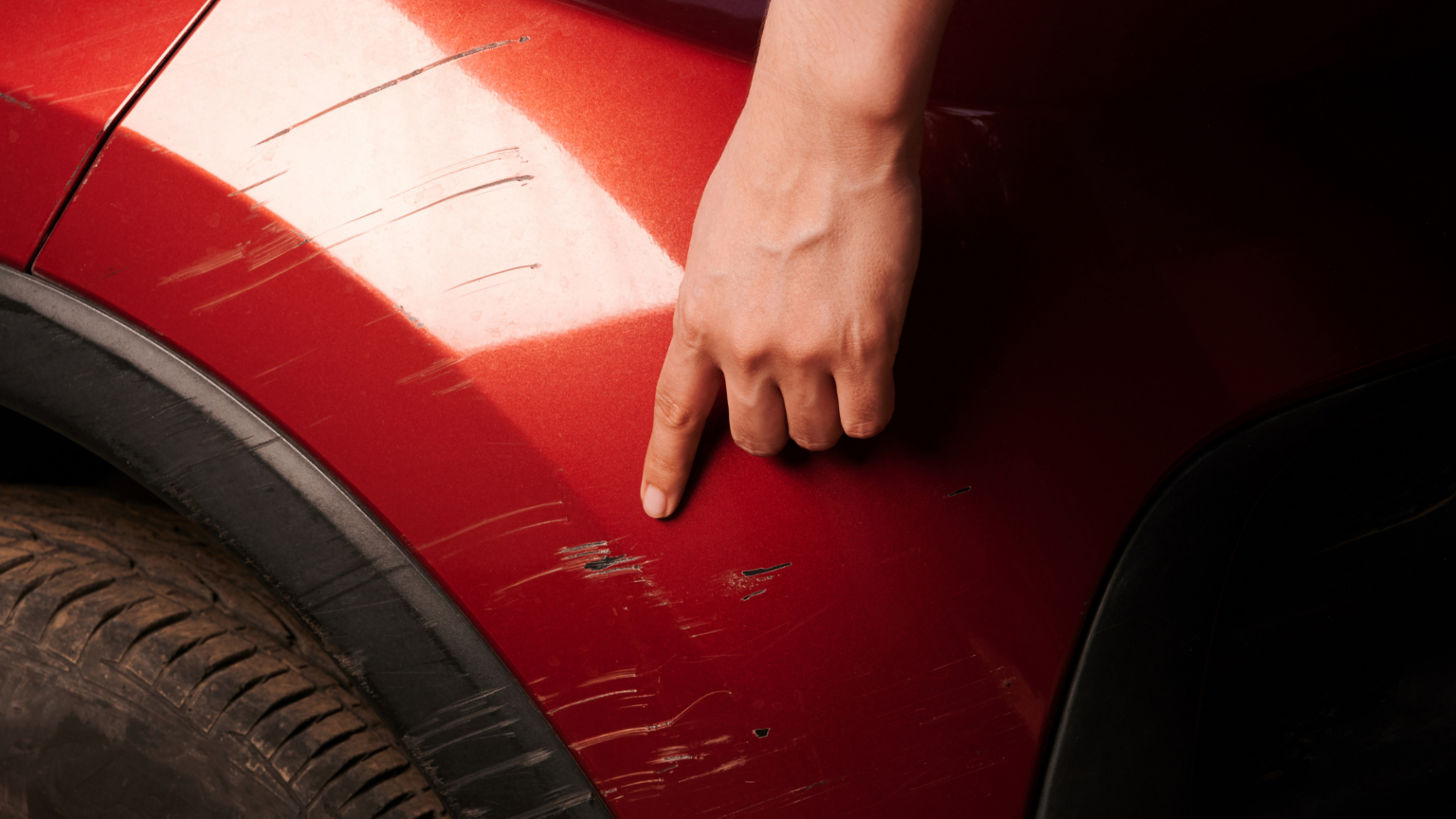
Returning a leased vehicle at the end of your contract can sometimes feel like an inspection you didn’t quite prepare for. Will a small scratch on the door cost you? What about a light scuff on the alloy wheels? To clear up the confusion and help drivers avoid unexpected charges, the BVRLA sets out clear guidelines on what constitutes acceptable vehicle condition versus avoidable damage.
Here is an easy-to-read summary of our Fair Wear and Tear Guide to help you keep your vehicle in great shape and ensure a hassle-free return.
What is “Fair Wear and Tear”?
Every vehicle ages as it spends time on the road. Fair wear and tear refers to the natural, reasonable deterioration that occurs on a car or van through everyday driving over the course of a lease agreement.
Understanding the distinction between normal aging and unacceptable damage is key:
- Fair Wear & Tear: Minor cosmetic deterioration from standard use—such as light stone chips on the bonnet or subtle surface scuffs that haven’t broken through the paintwork.
- Unacceptable Damage: Deterioration resulting from a specific incident, impact, or neglect. Examples include deep scratches, bodywork dents, cracked light lenses, torn seats, or damage caused by improper loading and harsh treatment.
The BVRLA Industry Standard
Leasing companies don’t invent their own arbitrary rules for vehicle condition. Instead, they follow guidelines set by the British Vehicle Rental and Leasing Association (BVRLA), the trade body for the UK vehicle rental and leasing sector.
As a BVRLA member, we use these standardised criteria to ensure end-of-contract inspections are fair, transparent, and consistent. Reviewing these standards both when you receive your vehicle and again a few months before returning it ensures you won’t encounter any unpleasant surprises.
Return Checklist: Key Areas Inspected
To avoid unexpected handover charges, your vehicle should meet several main operational and cosmetic standards when it is handed back:
- Keys and Documentation: You must return a complete set of keys (including working spares), along with the vehicle’s original documentation, operational handbooks, and service history.
- Maintenance & Servicing: The vehicle must be serviced according to the manufacturer’s recommended schedule. Any mechanical faults or dashboard warning lights should be resolved immediately, rather than left until the handover day.
- Interior Condition: The cabin should be clean, odor-free, and undamaged. Seats, headlinings, and carpets must be free from burns, deep stains, tears, or missing trim.
- Exterior & Electronics: Bodywork should show only light surface wear. All glass, mirrors, lights, and electronic features, including infotainment, air conditioning, and safety sensors, must work properly.
Top Tips to Avoid End-of-Lease Charges
Taking a proactive approach throughout your lease term is the best way to protect yourself from penalty fees:
- Address Issues Early: If a stone chips your windscreen or a warning light pops up, get it resolved right away under insurance or warranty rather than letting it linger.
- Conduct a Self-Inspection: Around 10 to 12 weeks before your lease ends, give your vehicle a thorough wash and inspect it in clear daylight. Check the bodywork, wheels, glass, and interior against the BVRLA checklist.
- Arrange Pre-Return Repairs: If you spot damage that falls outside fair wear and tear—like curb-scuffed alloys or door dents—getting them repaired independently beforehand is usually significantly cheaper than paying end-of-lease penalty fees.
- Clean Before Collection: A clean vehicle makes the inspection process faster and demonstrates that the car has been well looked after.
Returning a leased vehicle doesn’t need to be nerve-wracking. By following manufacturer maintenance schedules, tackling minor repairs early, and using Vavoom Leasing’s BVRLA-backed guide, you can enjoy your lease with confidence and transition seamlessly to your next vehicle.