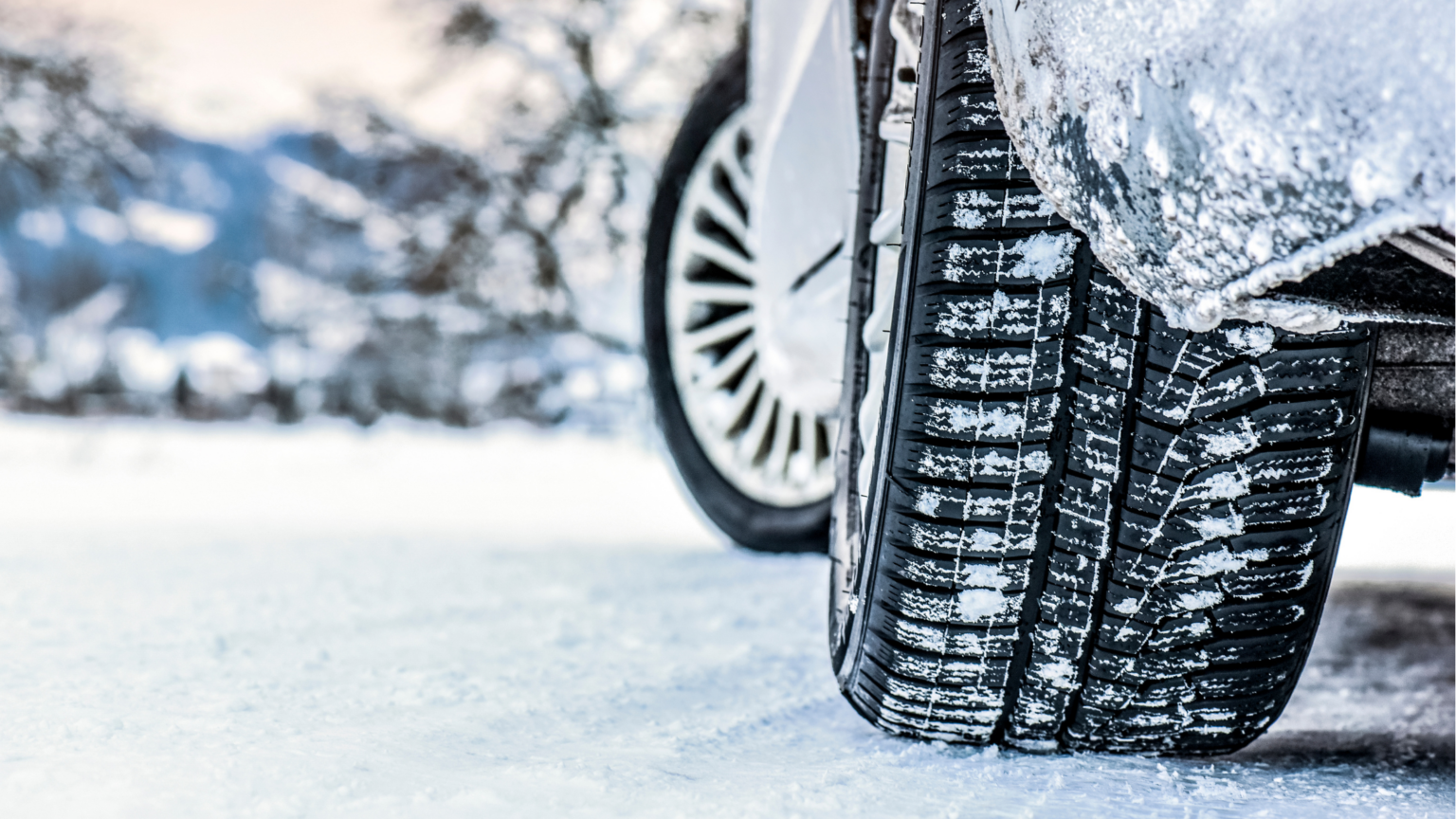
Winter brings some of the trickiest driving conditions of the year across the UK. Freezing temperatures, dark mornings, black ice, and unexpected snowfall can turn a standard commute into a stressful ordeal.
Preparing your car before the severe weather sets in isn’t just about avoiding a flat battery on a frosty morning; it’s about keeping you, your passengers, and other road users safe. Here is everything you need to know to get your car winter-ready before the mercury drops.
Why Winter Preparation Matters
Freezing conditions alter how your vehicle’s mechanical components perform. Understanding these physical changes helps prevent unexpected breakdowns:
- Battery Capacity Drops: Cold weather slows down the chemical reactions inside a 12V battery. At 0°C, a car battery loses roughly 30% of its starting power, just when your engine requires more energy to turn over cold oil.
- Tyre Pressure Decreases: Ambient air temperature directly affects tyre pressure. For every 10°C drop in temperature, your tyres lose roughly 1 to 2 PSI. Underinflated tyres reduce grip, impair handling, and increase fuel consumption.
- Fluid Viscosity Increases: Engine oil, transmission fluid, and screenwash thicken in the cold. If fluids aren’t rated for low temperatures, they cannot flow effectively, risking severe engine wear or frozen washer jets.
Essential Car Maintenance Before the Cold Hits
Taking a few proactive maintenance steps now will save you time, money, and hassle when freezing weather arrives.
- Check & Swap Tyres – Check your tread depth & tyre pressure. For tread depth, the legal UK minimum is 1.6mm; safety experts strongly recommend at least 3mm for winter driving. For tyre pressure, ensure you keep them topped up to the manufacturer’s recommended levels. If you live in an area prone to severe frost or snow, switching from summer to all-season or winter tyres will dramatically improve traction, as their softer rubber compound remains flexible below 7°C.
- Test the Battery – Car batteries typically have a lifespan of 3 to 5 years. Because cold weather demands extra power for heaters, lights, and wipers, an aging battery will quickly fail. Have your battery tested at a local garage, or use a multimeter at home to check its charge. If it struggles during autumn starts, replace it before the first hard freeze.
- Top Up Vital Fluids – Ensure your engine coolant/antifreeze mixture is set to a 50/50 ratio to prevent your engine block from freezing and cracking. Swap out summer screenwash for a winter-grade washer fluid rated down to at least -10°C. Standard water or diluted summer mix will freeze instantly on your windscreen, blinding your view while driving.
- Inspect Wipers & Headlights – Shorter daylight hours and heavy precipitation mean visibility is paramount. Inspect your wiper blades for splits, cracks, or juddering, replacing them if necessary. Clean all exterior light lenses, check that all bulbs, including fog lights, are functioning, and keep a spare pack of bulbs in your glovebox.
Building a Winter Car Emergency Kit
Even well-maintained cars can get stuck in extreme weather or unexpected traffic delays. Keep a dedicated winter survival bag in your boot containing these non-negotiable items:
- Ice Scraper & De-icer: Clear all windows, mirrors, and roof snow completely before setting off.
- Jumper Cables / Jump Pack: To restart a flat battery or assist another stranded motorist.
- Warm Blanket & Warm Clothing: Pack extra gloves, a hat, and a sturdy blanket in case you are stranded with the engine off.
- Flashlight / Torch: A wind-up or LED torch (with extra batteries) for nighttime breakdown situations.
- Bag of Grit, Salt, or Cat Litter: Placing a handful under your driven wheels provides instant traction if you get stuck in icy ruts.
- Non-Perishable Snacks & Water: High-energy snacks (like cereal bars or nuts) and bottled water for long delays.
Quick Tips for Driving in Snow and Ice
Adjusting your driving style is crucial when road surfaces turn dangerous:
- Drive Smoothly: Treat all controls gently. Sudden acceleration, harsh braking, or sharp steering movements can cause your tyres to lose traction and trigger a slide.
- Increase Stopping Distances: Stopping distances can increase by up to 10 times on ice compared to dry roads. Leave a generous gap between your car and the vehicle ahead.
- Use Higher Gears: If you drive a manual, pull away in second gear to reduce wheelspin on icy roads.
- Brake Proactively: Brake gently on straight stretches before entering corners, rather than applying brakes while turning.
Get Winter Ready Today
Don’t wait for the first frost or snowfall to test your car’s readiness. Spending 20 minutes inspecting your tyres, testing your battery, and packing an emergency kit today ensures your vehicle stays safe and reliable all season long. Take a moment this weekend to go through this checklist, or drop by your local garage for a professional winter health check.