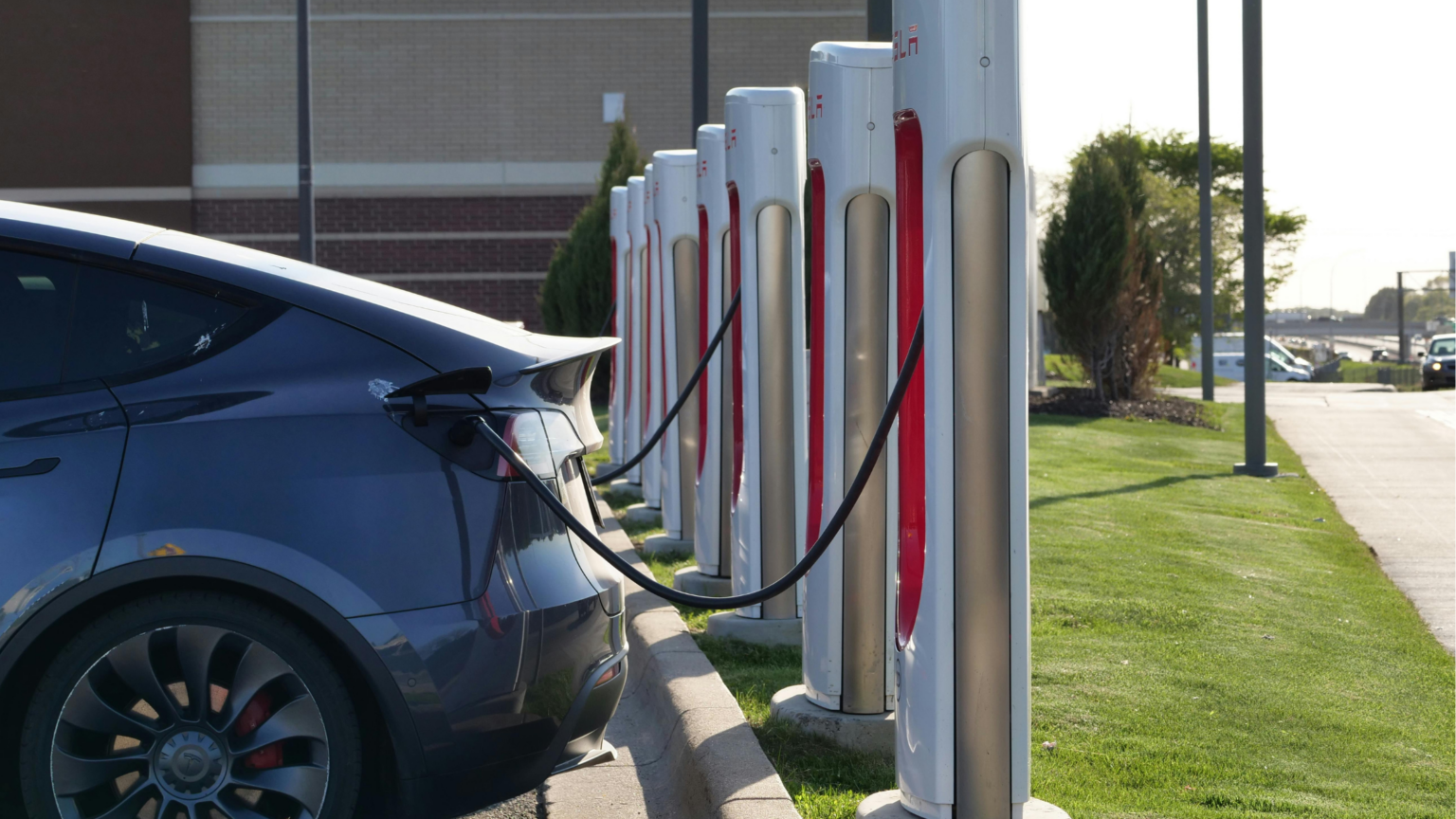
The UK’s transition to electric vehicles (EVs) is gathering momentum every day. Beyond individual car models and battery improvements, the real excitement lies in how our national infrastructure is evolving to support drivers. As we look toward 2030, the UK’s public charging network is transforming into a modern, accessible, and user-friendly system designed to make everyday driving seamless.
The public charging landscape is rapidly expanding into a well-connected ecosystem. With significant public investment and private innovation working hand-in-hand, charging an EV in 2030 promises to be as straightforward as filling up with petrol, if not easier.
The Journey to 300,000 Chargers
The UK government set an ambitious benchmark target of 300,000 public chargers installed across the country by 2030 to support the growing number of EV drivers. With tens of thousands of chargers already active on street corners, retail parks, and motorway stations, build-out momentum is strong.
While the total head-count of plugs provides a great indicator of scale, power capacity and geographic placement are where the true value lies. A single high-power ultra-rapid hub can serve dozens of vehicles in a short afternoon window, offering incredible throughput. By 2030, the network’s success will be defined not just by raw numbers, but by having the right balance of convenient residential top-ups and lightning-fast highway hubs.
We’ve broken down where you can expect to see the biggest changes to the public charger network.
Terraced Streets & On-Street Parking
Around 40% of UK households do not have access to off-street parking or a private driveway. Ensuring these residents can charge conveniently near home is a cornerstone of the national strategy.
Thanks to Local Electric Vehicle Infrastructure (LEVI) funding, local councils across England, Scotland, and Wales are actively working with technology providers to roll out tailored neighborhood solutions:
- Lamp-post Chargers: Smart charging points neatly integrated into existing street lighting, offering an easy overnight charging solution right outside residents’ front doors.
- Pavement Channels: Purpose-built slots set flush into the footway, allowing home energy supplies to reach street-parked cars safely without trip hazards.
- Pop-up Bollards: Retractable units that rise from the pavement when needed and drop out of sight when dormant, protecting pavement space and local aesthetic character.
Motorway & Trunk Road Hubs
For longer journeys along the Strategic Road Network, high-power en-route charging is undergoing a complete revolution.
Dedicated forecourts and expanded Motorway Service Areas (MSAs) are delivering generous capacity. Forward-thinking operators like GRIDSERVE, MFG EV Power, Osprey, and InstaVolt are continuously building out extensive charging parks.
| Key Feature | Traditional Setup | The 2030 Vision |
| Charger Speeds | 50kW Rapid units | 150kW to 350kW+ Ultra-Rapid units |
| Hub Capacity | Small standalone units | 12 to 36+ high-power charging bays |
| Typical Stop | 45+ minutes | 10–20 minutes (adding 100+ miles of range) |
| Site Amenities | Standard retail options | Covered bays, cafes, lounge spaces, and solar canopies |
By 2030, stopping for a quick charge on a cross-country trip will be as natural and efficient as grabbing a cup of coffee.
Levelling Up Regional Disparities
A major priority for both government bodies and private operators is ensuring balanced coverage across every corner of the UK. Early investment naturally clustered around dense metropolitan areas like Greater London, but momentum is rapidly spreading into rural regions.
The national framework builds upon proven success stories, such as Scotland’s early public-investment initiative, which demonstrated how proactive funding can connect remote and rural communities. Targeted funding for local authorities across Wales, Northern Ireland, and regional England ensures that drivers everywhere can travel with complete peace of mind.
Enforcing Reliability & Transparency
To give drivers maximum confidence on the road, the government introduced clear standards through the UK Public Charge Point Regulations. These standards ensure high network quality and ease of use across all operators:
- 99% Uptime Mandates: Rapid and ultra-rapid networks are required to maintain high reliability rates, ensuring chargers are ready when drivers arrive.
- Contactless Payment: Public units rated at 8kW and above feature simple bank card tap-and-pay capability, removing the need to register for specific accounts.
- Transparent Pricing: All unit rates are displayed clearly in pence-per-kWh, making pricing fully visible before plugging in.
A Connected Future for UK Drivers
By 2030, public EV charging in the UK will be fully integrated into daily driving routines. Between convenient neighborhood street top-ups, high-speed motorway hubs, clear pricing regulations, and robust nationwide coverage, the public network is being built to keep the UK moving forward smoothly and sustainably.
Find out how much it will cost to charge you EV with our Car Charge Calculator.