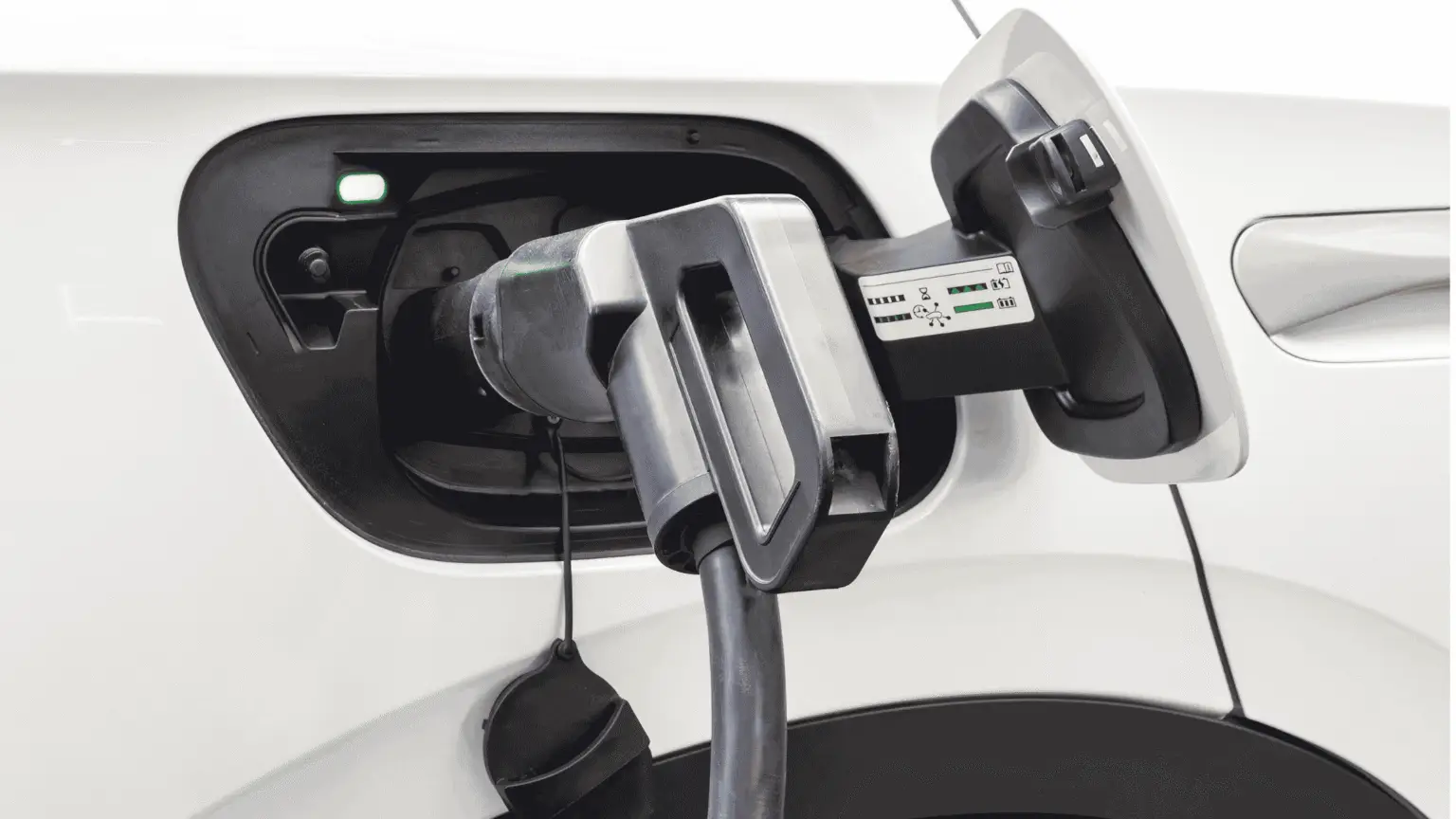
Making the switch from a traditional petrol or diesel car to an electric vehicle (EV) is an exciting milestone. Quiet running, instant torque, and the satisfaction of driving past the petrol station are just a few perks you’re likely already enjoying. However, driving an EV does come with a bit of a learning curve.
While the fundamental controls remain the same, managing an electric car requires a subtle shift in habits. To help you get the absolute best out of your new vehicle, here are five common missteps that first-time EV drivers make, and how you can easily avoid them.
1. Charging to 100% Every Time
When you’re used to filling a petrol tank to the brim, it’s natural to want to charge your EV to 100% every single time you plug in. Surprisingly, this is actually counterproductive for everyday driving.
Lithium-ion batteries are most comfortable and durable when kept between 20% and 80% charge. Regularly topping up to 100%, especially at rapid public chargers, causes extra heat build-up and accelerates battery degradation over time. Furthermore, charging slows down past 80% to protect the battery cells, meaning you spend significantly more time waiting at the charger for those final few percentage points.
Top Tip: Save the 100% charge for long motorway journeys when you genuinely need the maximum available range. For daily commuting and running errands, set your car’s charging limit to 80%.
2. Ignore Regenerative Braking Settings
One of the cleverest features of an electric vehicle is regenerative braking, which captures kinetic energy usually lost during deceleration and feeds it back into the battery. Many new drivers leave their car in the default standard coasting mode, missing out on major efficiency gains.
Most EVs allow you to adjust the level of regenerative braking. In its strongest setting, often referred to as ‘one-pedal driving’, the car slows down smoothly as soon as you ease off the accelerator. Not only does this top up your battery continuously in stop-start urban traffic, but it also reduces wear and tear on your mechanical brake pads.
Top Tip: Experiment with your vehicle’s energy recovery settings. Use maximum regen in town or heavy traffic, and lower settings on open motorways where coasting maintains momentum better.
3. Failing to Route-Plan with EV-Specific Apps
Relying solely on standard sat-navs or general map apps can lead to unwanted range anxiety. While traditional mapping software is great for directing petrol cars, they don’t typically account for charge point availability, plug compatibility, or real-time charger status.
Arriving at a service station only to find the chargers occupied, out of order, or incompatible with your network RFID card is a frustrating experience. Specialised EV route planners calculate your route while taking your battery level, elevation, driving speed, and ambient temperature into account, directing you directly to working, high-speed charging hubs.
Top Tip: Download dedicated EV planning tools such as Zapmap or A Better Routeplanner (ABRP) before setting off on long road trips across the UK.
4. Aggressive Acceleration
There’s no denying that the instant acceleration of an electric motor is addictively fun. Zipping away from traffic lights without lag or gear changes puts a smile on almost anyone’s face. However, treating every green light like a launchpad will drain your battery surprisingly fast.
Rapid acceleration consumes large amounts of energy in short bursts, drastically shortening your overall range. Additionally, heavy footwork forces your tyres to work much harder under the heavy instant torque of an EV, causing premature tyre wear.
Top Tip: Drive smoothly and anticipate the road ahead. Smooth acceleration and gradual slowing down preserve your battery range and keep tyre replacement costs down.
5. Not Preconditioning the Battery
Did you know that lithium-ion batteries hate the cold as much as we do? Driving off in a freezing cold EV forces the vehicle to draw huge amounts of battery power just to warm up the battery pack and cabin simultaneously, causing a noticeable drop in initial range.
‘Preconditioning’ allows you to warm up (or cool down) the car’s interior and battery while the vehicle is still plugged into your home wallbox charger. By drawing power directly from the grid rather than the battery before you set off, you start your journey with a fully warmed-up system and 100% of your stored range intact.
Top Tip: Use your car’s companion smartphone app to schedule your departure times. Your car will automatically precondition itself, ensuring a comfortable cabin and optimum battery performance from the moment you step inside.
Final Thoughts
Adapting to electric motoring doesn’t happen overnight, but avoiding these five common pitfalls will make your transition far smoother, save you money on energy, and protect your vehicle’s long-term health.
Looking to sharpen your electric driving skills even further? Check out our top 6 tips for driving an ev for more expert advice on maximising range, lowering running costs, and mastering life with an electric car.